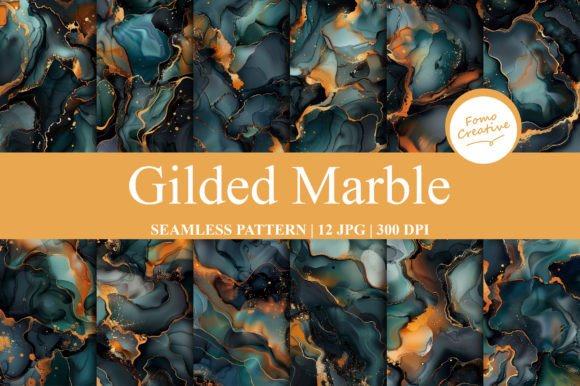
Gilded Marble: A Guide to Understanding and Using Digital Paper Patterns
For those looking to add a touch of elegance and sophistication to their digital projects, Gilded Marble offers a unique blend of artistry and practicality. These digital paper patterns are more than just decorative elements—they are versatile tools that can elevate the visual appeal of everything from invitations to website backgrounds. But with so many options available, it's easy to make mistakes that can affect the quality and effectiveness of your designs.
What is Gilded Marble?
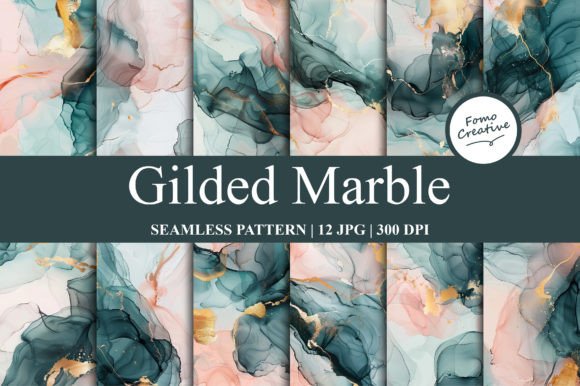
Gilded Marble refers to a collection of digital images designed as seamless backgrounds. These patterns often feature intricate motifs such as marble textures, metallic accents, and abstract designs. They are ideal for use in a wide range of applications, including graphic design, web development, print media, and personal creative projects. The term "Gilded Marble" suggests a luxurious aesthetic, combining the richness of gold with the timeless beauty of marble, making it a popular choice for high-end or elegant designs.
Common Mistakes When Working With Gilded Marble
While Gilded Marble can be a powerful tool, there are several common mistakes that users may encounter. One of the most frequent errors is not checking the resolution of the digital files. Many users assume that all digital patterns are created at the same quality level, but this isn't always the case. If you're using Gilded Marble for print, you'll need high-resolution images—typically 300 DPI—to ensure clarity and sharpness.
Another mistake is overlooking color accuracy. The colors in Gilded Marble may appear differently on various devices due to monitor settings or printer calibration. This can lead to unexpected results when printed, especially if the design relies on specific hues for its impact.
How to Avoid Color Discrepancies
To avoid color issues, it's essential to test the patterns on multiple devices before finalizing your project. You can also use color profiles that match your intended output. For instance, if you're printing, use a CMYK color profile instead of RGB. This helps ensure that the colors you see on screen will translate accurately to the printed version.
Misunderstandings About File Formats and Usage
Some users mistakenly believe that all digital paper patterns are interchangeable. However, Gilded Marble files are often provided in specific formats, such as JPG, which may have limitations compared to other file types like PNG or vector formats. While JPGs are great for high-quality images, they don’t support transparency, which can be a problem if you're trying to overlay the pattern on another image or background.
Additionally, some people may not realize that Gilded Marble is a digital product, meaning no physical item is shipped. This is important to note if you're expecting a tangible item or if you're planning to use the pattern in a context where physical materials are required.
Understanding File Types and Their Uses
Before purchasing or downloading Gilded Marble, take the time to understand the file format and its compatibility with your design software. If you're working with programs like Adobe Photoshop or Illustrator, you’ll want to ensure that the file type supports your workflow. For example, if you need transparency, look for PNG files rather than JPGs.
Overlooking the Importance of Seamless Patterns
A key feature of Gilded Marble is that the patterns are seamless, meaning they can be tiled without visible edges. However, not all digital paper patterns are created equally. Some may have visible seams or irregularities that become noticeable when repeated. This can detract from the overall professionalism of your design.
If you’re using Gilded Marble for a large-scale project, such as a website background or a poster, it’s crucial to verify that the pattern is truly seamless. You can do this by zooming in on the image or testing it in a design program to see how it repeats.
Testing Patterns Before Use
Before committing to a particular Gilded Marble pattern, download a sample and test it in your design software. This allows you to see how the pattern looks when tiled and whether it meets your expectations. It also gives you the opportunity to adjust the size, color, or placement as needed.
Ignoring the Need for Proper Licensing
Another common oversight is not understanding the licensing terms associated with Gilded Marble. Some digital paper patterns come with restrictive licenses that limit how you can use them. For example, a license might prohibit commercial use or require attribution. Failing to review these terms can lead to legal issues or restrictions on how you can use the design.
Always read the licensing agreement carefully before downloading or purchasing Gilded Marble. If you're unsure about the terms, reach out to the seller for clarification. This ensures that you’re using the pattern in compliance with the agreed-upon conditions.
Checking Licensing Terms
When evaluating Gilded Marble or any digital pattern, pay attention to the following details:
- Can the pattern be used for commercial purposes?
- Is attribution required?
- Are there restrictions on resale or redistribution?
These factors can significantly impact how you use the pattern, so it's best to clarify them upfront.
Conclusion: Making the Most of Gilded Marble
Gilded Marble offers a wealth of creative possibilities, but success depends on understanding the nuances of digital paper patterns. By avoiding common mistakes—such as ignoring resolution, color accuracy, file formats, and licensing—you can ensure that your designs look professional and meet your goals. Take the time to research, test, and plan before using Gilded Marble, and you’ll be well on your way to creating stunning, high-quality digital projects.